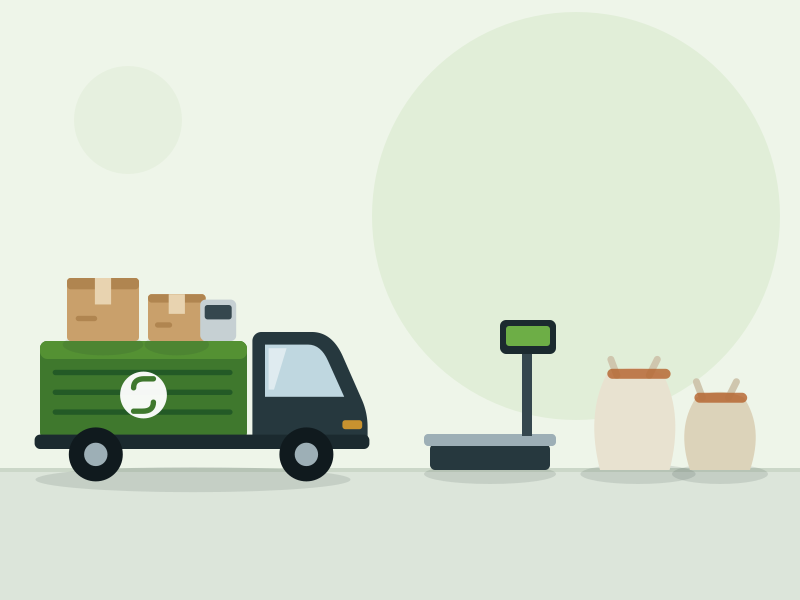
How to find a kabadiwala near you that you can actually trust
Searching "kabadiwala near me" gives you a dozen numbers. Here is how to tell an honest scrap dealer from one who will short-weigh you — scale, rates,…
Read the guide

Loading

Practical, plain-language guides for households, offices and societies in Delhi NCR.
Searching "kabadiwala near me" gives you a dozen numbers. Here is how to tell an honest scrap dealer from one who will short-weigh you — scale, rates,…
Read the guideMost people only sell newspaper. Here is everything in a typical Delhi home that a kabadiwala will buy — from old utensils and coolers to chargers and…
Read the guide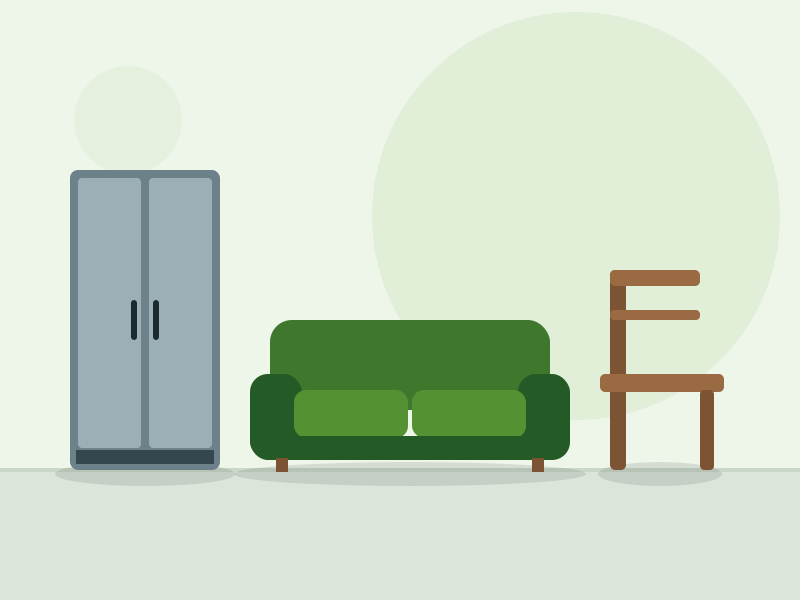
Old almirahs, beds and sofas are heavy and awkward to get rid of. How to decide between selling as used furniture or as scrap, and how to get a quick,…
Read the guide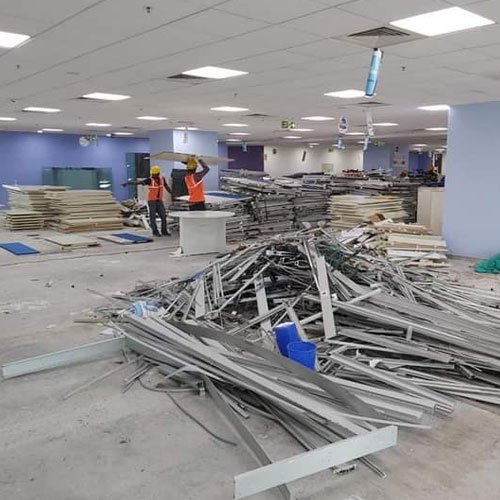
Vacating or downsizing an office in Delhi NCR? A practical checklist for clearing furniture, IT equipment and ACs on time — building rules, data, land…
Read the guide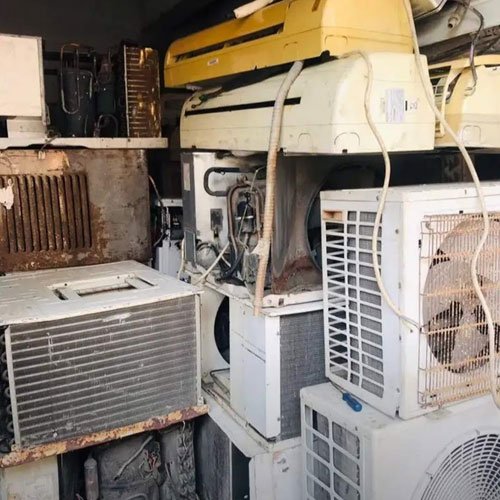
Old appliances have value even when they no longer work. How to sell an old AC, fridge or washing machine in Delhi — exchange offers, uninstallation, …
Read the guide
How to get rid of old electronics safely in Delhi — wiping your phone and laptop, what counts as e-waste, and why it should go to authorised recyclers…
Read the guideSmall habits that make a real difference when you sell raddi — keeping newspaper and cardboard apart, storing paper dry, and what to remove before the…
Read the guide
A step-by-step guide for RWAs and society committees to organise a scrap collection day — choosing a date, informing residents, collection points and …
Read the guide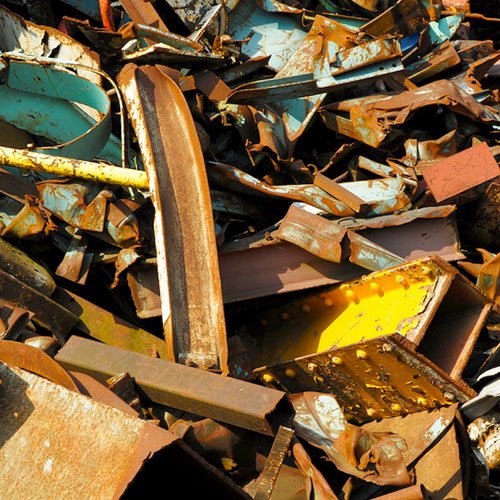
How some scrap buyers short-weigh sellers — hand-held scales, mixed grades, "kaat" deductions — and the simple checks that protect you when selling ho…
Read the guide
Why you should clear unwanted furniture, appliances and scrap before the packers arrive — and a room-by-room list of what to sell when moving house in…
Read the guideWhatsApp a photo or call us. We fix a time, come to your door with the scale and pay you on the spot.