

Scrap buyers, Delhi NCR
Key points
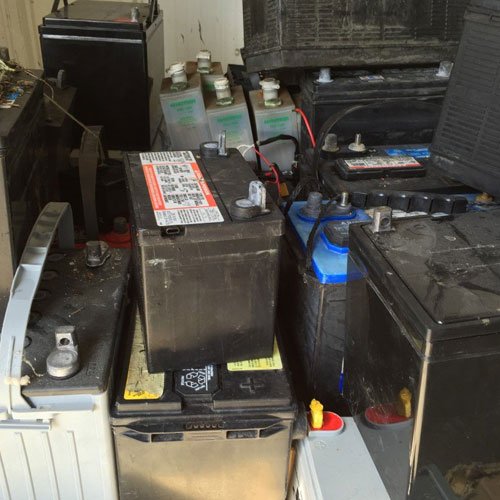
- Used lead-acid batteries are regulated waste, not ordinary scrap.
- They may only go to a registered collection and recycling channel.
- Informal lead smelting is among India's more serious pollution problems — and it is where uncontrolled batteries end up.
- Insist on a handover record naming the authorised recycler.
A used battery looks like scrap and is often sold like scrap, but it is legally something else. Under India's Battery Waste Management Rules, used batteries are a regulated waste stream with obligations attached to whoever generates them.
For a household this rarely matters much in practice. For a company running UPS banks, forklifts or a vehicle fleet, it matters a great deal — and it is one of the more commonly missed compliance items.
Why batteries are treated differently
A lead-acid battery is roughly 60% lead by weight, with sulphuric acid electrolyte and a plastic case. Every one of those is recoverable, and lead recycling is genuinely one of the success stories of the circular economy when it is done in a proper facility.
Done improperly — and it very often is — the lead is smelted in open furnaces without emission control, the acid is drained onto the ground, and the surrounding area is contaminated with lead dust. The people most exposed are usually the workers doing it, frequently including children.
What the rules require
- Channel it correctly. Used batteries must go to a registered collection centre, dealer, or recycler within the formal channel — not to an unregistered scrap buyer.
- Keep records. Bulk consumers must maintain records of batteries purchased and disposed of, and be able to produce them.
- File returns. Where required, periodic returns to the relevant authority.
- Store safely. Upright, contained, on an impermeable surface, away from drains, while awaiting collection.
The producer take-back framework means many battery manufacturers also operate collection arrangements, which for fleet and UPS operators is often the simplest compliant route.
The informal recycling problem
India recycles a very large share of its lead-acid batteries, which sounds excellent until you look at where. A substantial portion has historically moved through informal channels — backyard smelters operating without emission controls, effluent treatment or worker protection.
This is worth understanding because it explains why a compliant collector may occasionally quote slightly less than an informal one. The informal operator's cost base excludes emission control, effluent treatment, protective equipment and regulatory compliance. That gap is not efficiency; it is externalised cost, paid by whoever lives near the furnace.
If a battery buyer cannot tell you which authorised recycler your consignment goes to, the honest assumption is that it is not going to one.
Handling and transport
Practical points that matter on collection day:
- Batteries travel upright, in contained crates. Not stacked loose in a tipper.
- Damaged or leaking cells go into sealed containment — tell the collector in advance so they bring it.
- Terminals should be covered to prevent shorting between units in transit.
- Never attempt to move a leaking battery yourself. Electrolyte is sulphuric acid; it damages skin, clothing and flooring.
- UPS banks are heavy and awkward. A competent collector brings trolleys and does not drag cells across your floor.
Lithium-ion is a different problem
Lithium packs from EVs, laptops, power tools and energy storage follow a different recycling route and carry a genuine fire risk if damaged or shorted. They should not be thrown in with lead-acid.
Store them at partial charge, away from combustibles, in non-conductive containment, and hand them to a collector who specifically handles lithium chemistry. Any collector who says lithium and lead-acid are "all the same to us" is not one to use.
What to demand from a battery collector
- The name and current authorisation of the recycler the consignment goes to.
- An item-wise weighment record at collection.
- A GST invoice for the transaction.
- A handover record you can file against your battery purchase records.
- Confirmation of how leaking or damaged cells will be contained.
These are ordinary requests. An operator set up to serve business clients has all of it ready.
Questions
Can I sell old batteries to any scrap dealer?
Legally the material must move through the registered channel, so the dealer needs to be part of it and able to show you where the consignment goes. Many local dealers are not. For a company, using one creates a documented compliance gap that surfaces at audit.
What is the current rate for old batteries?
Lead-acid batteries generally run ₹84–96 per kg in Delhi NCR depending on type and condition, tracking LME lead. Loose lead plate prices considerably higher because there is no case weight to discount.
How should we store used batteries before collection?
Upright, on an impermeable surface, away from drains and combustibles, with terminals covered. Damaged cells in separate sealed containment. Do not stack them loose or leave them exposed to rain.
Do you take lithium-ion batteries?
We assess them case by case, because lithium chemistry needs different handling and a different recycling route than lead-acid. Send photographs and the pack rating and we will tell you whether we can take them and on what terms.