

Scrap buyers, Delhi NCR
Key points
- Non-ferrous follows LME daily; iron and steel follow mill buying weekly.
- The rupee matters — a weaker rupee lifts rupee scrap prices even when dollar metal is flat.
- For household quantities, timing is not worth the effort. For tonnes, it is.
- Compare quotes from the same day. A rate from last week is not a comparison.
Sellers often assume scrap rates are set by whoever they are talking to. They are not. A scrap buyer in Delhi is a link in a chain that ends at a smelter or a mill, and the price at that end sets the price at yours, minus processing, transport and margin.
Understanding what moves the far end makes it much easier to tell a fair quote from a poor one.
What sets the base price
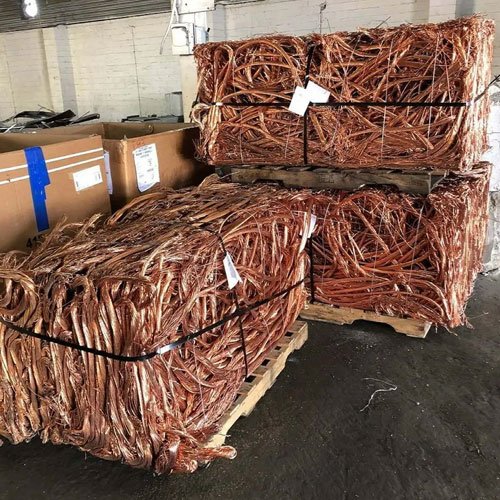
Non-ferrous metals — copper, aluminium, brass, lead, zinc — are priced off the London Metal Exchange. LME sets a global dollar price, Indian importers and smelters price against it, and scrap rates follow within a day or two, discounted for grade and processing cost.
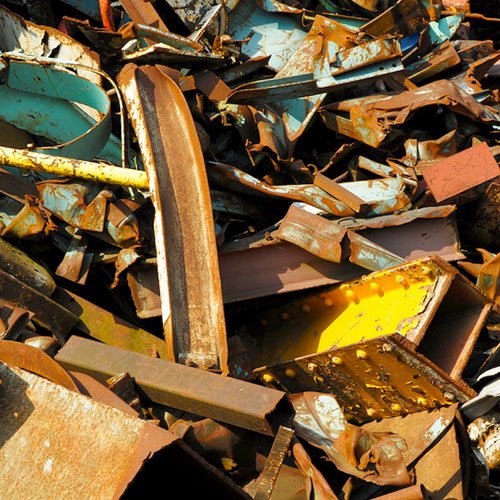
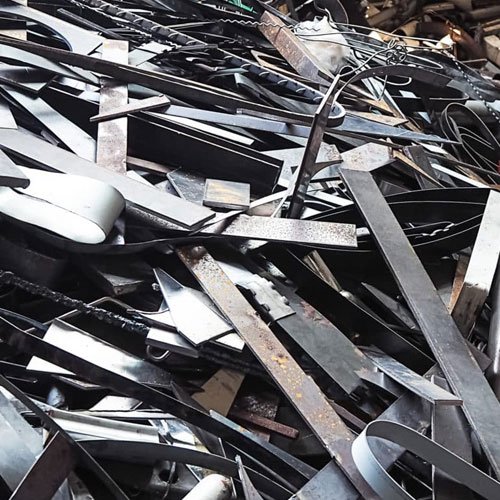
Ferrous — iron and steel — is more domestic. Prices follow what induction furnaces and steel mills are paying for melting scrap, which depends on their order books, sponge iron and billet prices, and imported scrap availability. It is a national market, not a global one.
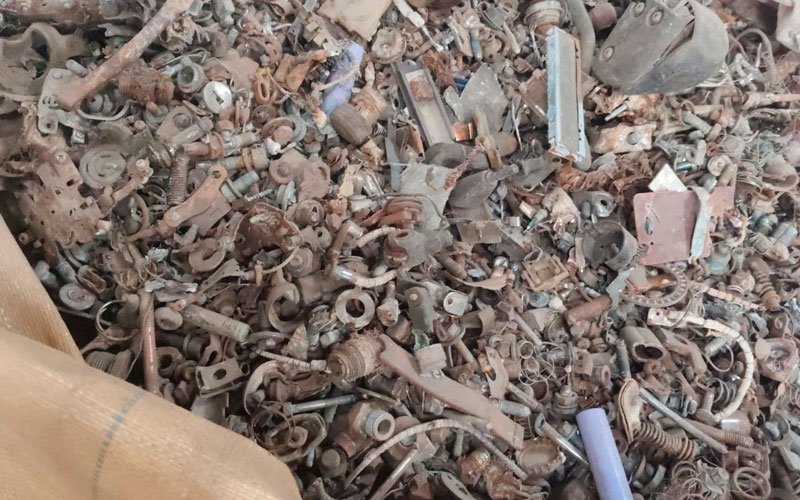
Plastic follows virgin polymer prices, which follow crude oil, with a lag. Paper follows mill demand and imported waste paper prices. E-waste is driven by precious metal recovery values and moves slowly.
How fast each material responds
| Material | Driven by | How often it moves |
|---|---|---|
| Copper, brass | LME copper | Daily |
| Aluminium | LME aluminium | Daily |
| Lead / batteries | LME lead | Daily to weekly |
| Iron, steel | Domestic mill demand | Weekly |
| Stainless steel | Nickel, chrome, mill demand | Weekly |
| Plastic | Virgin polymer, crude | Monthly |
| E-waste | Precious metal recovery | Monthly or slower |
The rupee effect nobody mentions
Because non-ferrous prices are set in dollars, the exchange rate feeds straight through. If LME copper is flat but the rupee weakens 2%, rupee-denominated copper scrap gets roughly 2% more expensive.
This catches sellers out in both directions. A dealer saying "copper is up" may be describing a currency move rather than a metal move, and either way it is real money in your hand.
Seasonal patterns worth knowing
- Monsoon softens construction demand, which softens iron and steel. It also makes scrap wetter, which genuinely affects weight-based pricing on turnings and light material.
- The run-up to Diwali tends to see more household selling as people clear out, and slightly more competition among buyers for that volume.
- Year end and quarter end push companies to clear asset registers, so industrial supply rises and rates can soften marginally.
- Mill maintenance shutdowns reduce ferrous demand for a few weeks at a time, usually with no warning to sellers.
When timing is actually worth your attention
Be honest about scale. On 50 kg of household copper, a 5% market move is a few hundred rupees — less than the value of the afternoon you would spend watching for it. Sell when convenient.
On a tonne of copper, 5% is around ₹35,000. That is worth watching for a fortnight, and worth asking a buyer whether they expect the market to firm.
Whatever the quantity, one rule holds: compare quotes from the same day. A rate from last Tuesday is not a comparison against a rate from this Friday, and buyers who know you are working from stale numbers have an easy advantage.
The other reliable lever has nothing to do with timing. Sorting your material properly before it is weighed moves what you receive more than almost any market swing will.
Questions
Are scrap rates the same across Delhi NCR?
Broadly, with small variation for transport distance and local competition. Differences of more than a few percent between buyers in the same market usually reflect a different grading assumption rather than a genuinely different rate.
Should I wait for prices to rise before selling?
Only if the quantity justifies it. Below a few hundred kilos the swing is smaller than the inconvenience of storing material and watching a market. Above a tonne, a fortnight's patience can be worth real money.
Why did a dealer quote me less than the published rate?
Usually grade. Published rates are ranges, and the top of the band assumes clean, sorted, dry material. Ask which grade they have placed your material in and why — the answer is normally the whole explanation.
Do rates differ between a dealer and a recycler?
Recyclers buying direct sometimes pay more but typically require larger volumes, cleaner segregation and their own transport. For most sellers a dealer who collects, sorts and pays on the spot nets out better once those costs are counted.