

Scrap buyers, Delhi NCR
Key points
- Index rates to a published market reference with a fixed revision date — do not fix a number.
- Segregation is where the money is. Bins and a briefed stores team pay for themselves quickly.
- Specify the weighment method in the contract, not in conversation.
- One consolidated monthly invoice reconciled to individual gate passes keeps finance happy.
Most manufacturing units sell scrap the same way indefinitely: a dealer turns up when the yard fills, a rate is argued over, a truck leaves, and someone in accounts eventually receives a piece of paper. It works, in the sense that the scrap goes away. It is also where a meaningful amount of recoverable value quietly disappears.
What one-off selling actually costs
- Negotiation every time. Your stores manager is negotiating commodity prices monthly, which is not their job and not their expertise.
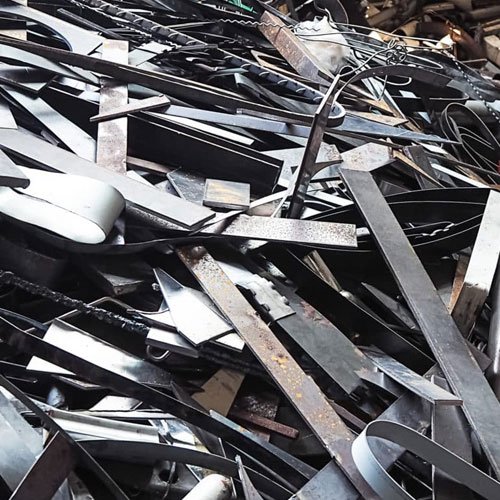
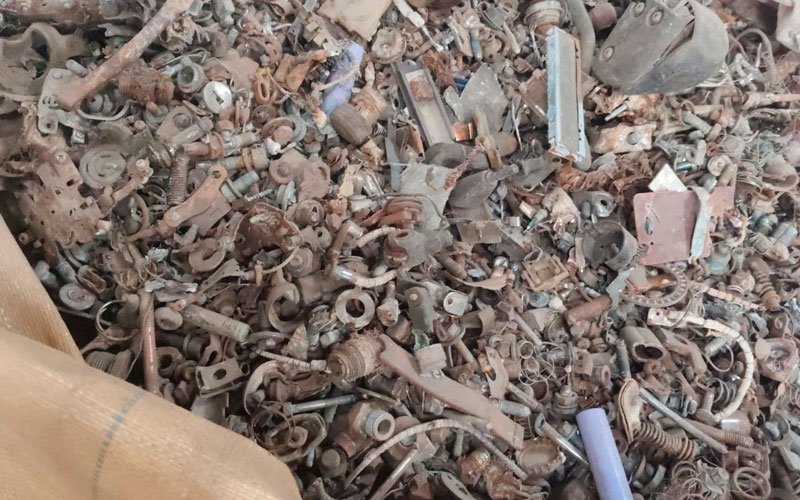
- No segregation discipline. Without bins and a routine, brass turnings end up in the steel skip and earn a quarter of what they should.
- Storage pressure. Scrap accumulates until it is a problem, and material sold under space pressure is sold from a weak position.
- Inconsistent paperwork. Gate passes that do not match invoices create audit findings that take far longer to resolve than they took to create.
Structuring the rate
Do not fix a rupee figure. Metal markets move and a fixed rate will be wrong within a month — in which case either you are losing money or your contractor is, and the party losing will find a way to reopen it.
Index instead. A workable structure:
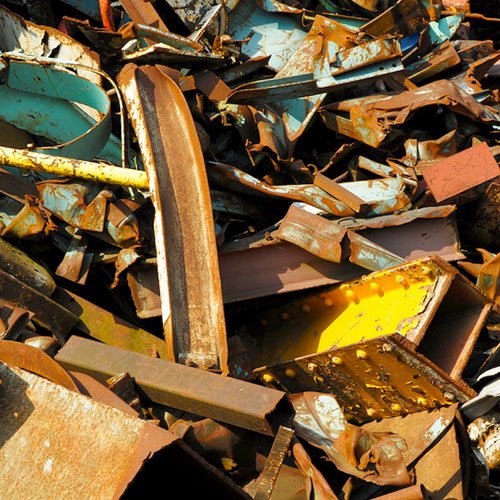
- A reference price for each grade — LME-linked for non-ferrous, a published domestic index or agreed mill reference for ferrous.
- A discount or premium to that reference per grade, reflecting processing and transport. This is the number you actually negotiate, and it is stable.
- A revision date — monthly or fortnightly — when the reference is re-read and rates reset automatically.
The effect is that nobody negotiates at the loading bay. The rate for this month follows from the formula agreed six months ago.
Collection cycle
Match it to generation rather than to storage capacity. If you fill a skip in ten days, collecting fortnightly means four days a month of overflow. Common cycles:
- Weekly — high-volume machining and press shops
- Fortnightly — most medium manufacturing
- Monthly — assembly units and lighter generation
- On call — seasonal or project-driven generation, with a response commitment written in
Fix the day. A known collection day lets stores plan and removes the phone calls entirely.
Segregation is where the money is
This is the highest-return part of the whole arrangement and it costs almost nothing.
Brass turnings mixed into steel swarf earn the steel rate — around ₹25 a kilo instead of ₹300. On a plant producing 200 kg of brass swarf a month, that single mistake costs over ₹50,000 a month.
What works: labelled bins at the point of generation, not at the yard; a short briefing for stores and shop floor staff; and a contractor who reports back when contamination appears rather than quietly paying the lower rate. Ask for that reporting explicitly — it is the difference between a supplier and a vendor.
Weighment and documentation
Specify the method in the contract:
- Platform scale at the gate for loads under a tonne, with your storekeeper present.
- Public weighbridge for truck loads, with tare and gross slips both returned to you.
- Item-wise weighment record at each collection, signed by both sides.
- Gate pass issued at collection, not posted later.
- One consolidated GST invoice monthly, with a material-wise summary reconciling to the individual gate passes.
That last point matters more than it sounds. Finance teams reconcile monthly; a stack of unmatched gate passes and separate invoices is where audit queries come from.
Clauses worth including
- Response commitment for on-call collections — 24 or 48 hours, stated.
- Insurance — public liability and workmen's compensation, certificates on file before mobilisation.
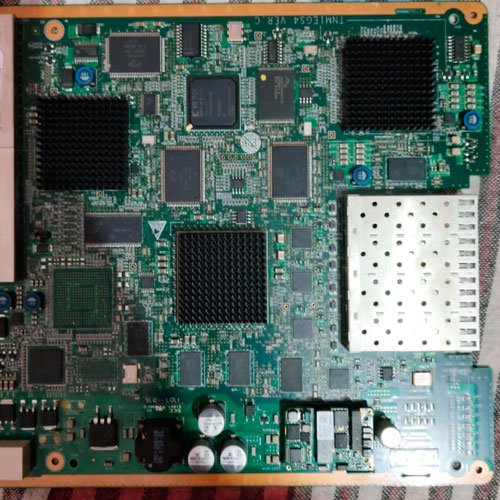
- Compliance routing — where regulated streams go, and what documentation you receive.
- Contamination handling — what happens and how it is reported when a bin is mixed.
- Notice period — 30 days either way. A contract nobody can leave is one nobody honours enthusiastically.
The test of a good scrap contract is simple: after it is signed, does anyone from your plant ever need to discuss price again? If the answer is yes, the indexation was not written properly.
Questions
How long should a scrap rate contract run?
Twelve months with a 30-day notice period on both sides works well. Long enough that segregation habits establish and the contractor invests in bins and routine; short enough that you are not stuck if service slips.
Should we tender scrap or negotiate directly?
Tender if your procurement policy requires it or volumes are large — competitive tension helps. But specify the indexation structure in the tender document rather than asking for a fixed rate, or you will get bids that are only valid on the day they are opened.
What if the contractor's rates fall behind the market?
That is precisely what indexation prevents, which is why it is worth the effort of setting up. If you have a fixed-rate contract instead, build in a quarterly benchmarking review against two independent quotes.
Who provides the segregation bins?
The contractor should, at no charge — it is in their interest as much as yours, since segregated material is easier for them to process and sell. If a contractor wants to charge for bins, that tells you something about how they view the relationship.