

Scrap buyers, Delhi NCR
Key points
- A magnet separates ferrous from non-ferrous in one second and settles most questions.
- A file test on a hidden edge reveals the true metal beneath plating or tarnish.
- Stainless is worth roughly four times mild steel — worth checking every piece.
- Sorting before a buyer arrives is the single highest-return thing a seller can do.
You do not need equipment to grade scrap approximately. Four tests — a magnet, a file, your eyes and your hand — resolve most questions well enough to know whether a quote is reasonable. That is the point: not to become an expert, but to stop being entirely dependent on the buyer's word.
1. The magnet test
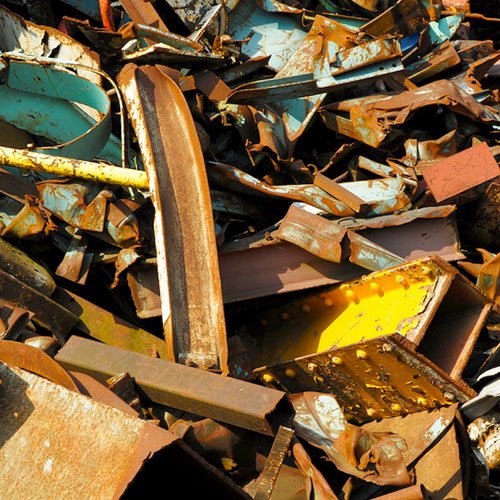
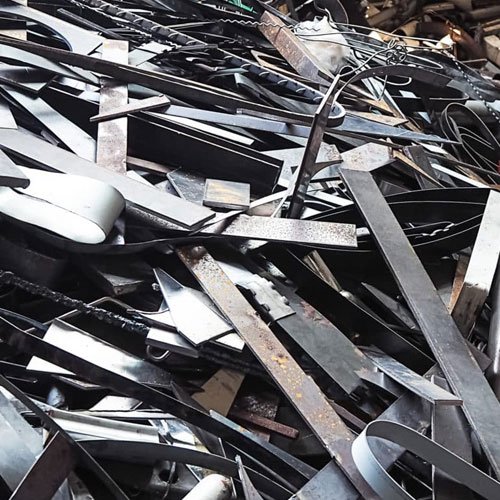
Any fridge magnet works. If it sticks firmly, the metal is ferrous — iron, mild steel, cast iron. If it does not stick at all, you have non-ferrous: copper, brass, aluminium, lead or one of the austenitic stainless grades.
The important nuance: SS 304, the valuable stainless grade, is non-magnetic or only weakly magnetic, while cheaper stainless grades like 409 and some 202 are magnetic. So a non-magnetic "steel-looking" item is worth investigating — it may be 304 at four times the mild steel rate.
2. The file test
Plating and tarnish hide the metal underneath. Take a file to a small hidden area — the inside of a tap body, the back of a fitting — and look at the fresh surface.
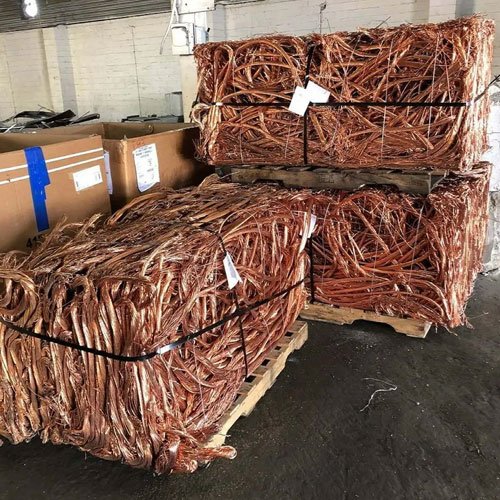
- Reddish-orange under a silvery surface: copper under tin plating. Real copper, but No. 2 grade rather than bright.
- Yellow under chrome: brass under plating. Good material, priced below unplated honey brass.
- Brownish-pink: bronze or gunmetal rather than brass — tin content instead of zinc.
- Bright white-grey and soft: aluminium.
- Bright white-grey and hard: stainless or zinc die-cast.
3. Colour, once it is clean
Copper is unmistakably reddish. Brass is yellow. Bronze and gunmetal are browner. Aluminium is dull grey-white with no warmth. Zinc die-cast is greyer and slightly bluer than aluminium.
Oxidation confuses all of this — copper goes green, brass goes brown, aluminium goes chalky white. Which is why the file test exists.
4. Weight in the hand
Pick up two similar-sized pieces. Copper and brass are noticeably heavy. Aluminium is startlingly light — roughly a third the density of copper. Zinc die-cast is heavier than aluminium but lighter than brass, and this is the fastest way to tell them apart when both look grey.
Lead is heavier than everything and unusually soft; you can mark it with a fingernail.
Common confusions worth catching
Aluminium mistaken for stainless. Both look grey. Aluminium is far lighter and much softer. The rate difference is significant in both directions depending on which stainless grade.
Zinc die-cast sold as aluminium. Old carburettor bodies, handles and toy castings are frequently zinc. Heavier than aluminium and worth a different rate.
Chrome-plated brass discarded as steel. Old bathroom fittings look like chrome steel and get thrown away. File the underside — if it is yellow, that is brass at several hundred rupees a kilo.
Copper-plated steel sold as copper. Less common but it exists. The magnet settles it instantly: real copper is never magnetic.
Sorting for sale
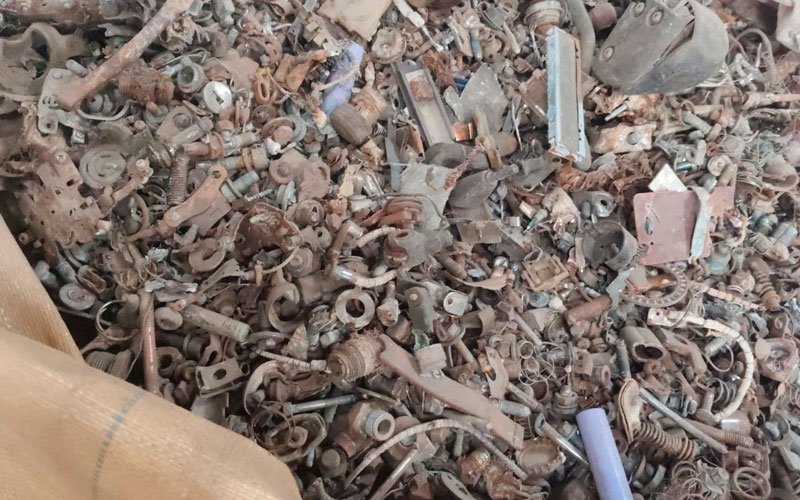
Five piles is enough for almost any household or workshop load: ferrous, copper, brass, aluminium, and a "check this" pile for anything ambiguous.
Keep the piles physically separate rather than layered in one heap, and keep them dry — wet material weighs more but any competent buyer discounts for moisture, so you gain nothing and lose credibility.
Sorting before the buyer arrives is the highest-return hour a seller can spend. It reliably moves the price more than choosing a different buyer does, because it removes the ambiguity that blended quoting depends on.
Questions
Is a fridge magnet strong enough for testing?
For separating ferrous from non-ferrous, yes, easily. For distinguishing weakly magnetic stainless grades you want something stronger, but for the main split a fridge magnet is entirely adequate.
How do I test stainless steel at home?
Magnet first — SS 304 is non-magnetic or very weakly magnetic while mild steel sticks firmly. Then look at the surface: stainless does not rust, so an unpainted grey metal in an old damp environment with no rust is almost certainly stainless.
What if I cannot identify something?
Put it in a separate pile and photograph it. Any buyer will identify it on site, and having it separated means it gets graded on its own rather than absorbed into a lower-value pile.
Does sorting really change the price much?
Substantially. A mixed load has to be priced conservatively because the buyer is carrying the uncertainty. Sorted material removes that uncertainty and each grade earns its own rate — on a copper-containing load the difference runs to thousands of rupees.